← Back to the blog
ayimensah
Ayimensah Area Guide: Living Near Aburi
An Ayimensah area guide covering location, climate, amenities and property prospects for anyone weighing life near Aburi in Greater Accra.
Ayimensah gives you cooler air, more green space and a calmer pace than central Accra, while keeping the city within driving reach. This Ayimensah area guide walks through where it sits, what the weather and surroundings feel like, the amenities you can expect, who tends to settle well here, and where property values look headed.
The short version: Ayimensah is a peri-urban community in the Ga East area of Greater Accra, strung along the Accra to Aburi road just past Adenta. The land here begins to climb toward the Akuapem Ridge and Aburi, so you get a foot in both worlds. You stay connected to Accra, yet you wake up to hills, trees and a gentler climate.
Location and connectivity: the Ayimensah area guide starting point
Ayimensah sits at the edge of Greater Accra, where the region meets the rising ground of the Eastern Region. Administratively it falls within the Ga East area, and geographically it marks the point where flat city sprawl gives way to the slopes leading up to Aburi.
The spine of the area is the Accra to Aburi road. Heading south and west, that route carries you through Adenta and Madina toward the Tetteh Quarshie interchange and central Accra. Heading north and east, the same road climbs the hillside toward Aburi in the Eastern Region. This single corridor shapes daily life here: it is the commute, the supply line and the link to schools and offices in the city.
Because Ayimensah sits just beyond Adenta, residents lean on Adenta for a good deal of commerce. Markets, banks, fuel stations and the dense network of tro-tro routes are all within easy reach. Travel times into the city depend heavily on the hour you set out. Traffic on the Accra to Aburi corridor can be slow at peak periods, so households here plan around it, leaving early or timing errands for the middle of the day.
For buyers weighing the trade-off between distance and calm, it helps to compare options across the region. Our roundup of best family neighborhoods near Accra sets Ayimensah alongside its peers so you can see where it fits.
Climate, scenery and surroundings
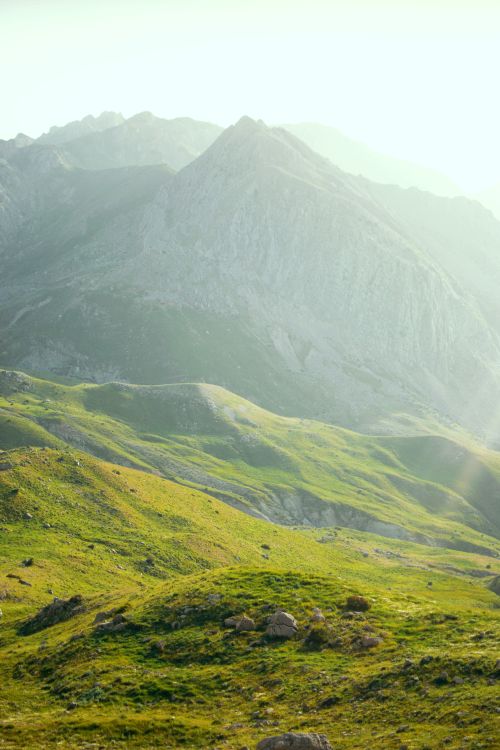
The strongest draw of living in Ayimensah is the shift in climate and scenery as you leave the coast behind. Accra itself is hot and humid for much of the year. As the land rises toward the Akuapem Ridge, the air cools and the landscape turns green.
Aburi, higher up the ridge, carries a mean annual temperature of about 26 degrees Celsius and sits around 257 meters above sea level, with a tropical savanna climate and rainfall near 963 millimeters a year, according to Climate-Data.org. Ayimensah lies a little lower than Aburi, so it is slightly warmer, but it still feels the cooling effect of the ridge. The result is a climate that is kinder than coastal Accra, especially in the evenings.
The weather follows two clear seasons. The wet months run roughly from May through October, with the heaviest rain mid-season, while the drier stretch settles in from November through April. Planning a move, a build or outdoor work around those seasons saves a lot of frustration.
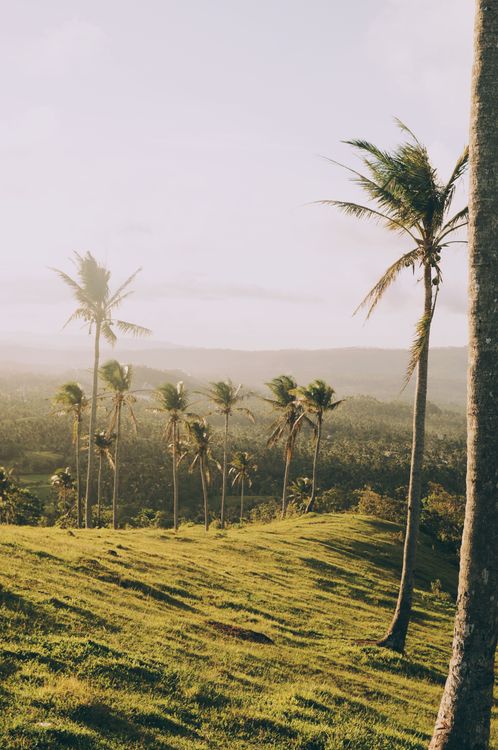
Scenery is where the area earns its reputation. Hills, palm stands and forest cover surround the settlements, and the Aburi highlands are close enough for weekend trips. If you want a sense of what is on your doorstep, our guide to things to do in the Aburi mountains covers the gardens, trails and viewpoints within a short drive.
Amenities, roads and local services
Ayimensah is a growing community rather than a fully built-out town, and it is honest to set expectations accordingly. Day-to-day services exist, but the deepest pool of shops, clinics and schools still sits down the road in Adenta and Madina.
Here is a realistic picture of what you find in and around the area:
- Roads. The Accra to Aburi road is the main paved artery. Internal and estate roads vary in quality, so the condition of access roads is worth checking before you commit to any plot or home.
- Shopping and markets. Everyday provisions are available locally, with fuller markets, supermarkets and banking in Adenta a short drive away.
- Schools and health. Several schools and clinics serve the wider Adenta and Ga East area. Families usually choose based on the specific route and travel time rather than raw distance.
- Utilities. Electricity and mobile coverage reach the area. Water reliability and internet quality can differ street by street, so it pays to ask current residents.
Because the condition of roads, titles and utilities varies so much from plot to plot, a careful inspection matters more here than in a settled city suburb. Our home inspection checklist before you buy in Ghana gives you a structured way to assess any property before you sign.
Who the area suits best
Living in Ayimensah rewards a particular kind of household, and it is worth being clear about who that is.
Families wanting space. Plots and homes here tend to be larger and more affordable than equivalents closer to the city core. For families who value a yard, quiet streets and fresher air over a short commute, the trade is often worth it.
Remote and hybrid workers. If you only travel into Accra a few days a week, the commute becomes an occasional cost rather than a daily grind. The cooler climate and green surroundings make for a pleasant base when you work from home.
Diaspora buyers and returnees. Many people buying from abroad want a home that feels like a retreat from city congestion while staying linked to Accra. Ayimensah fits that brief. If you are planning such a move, our moving back to Ghana returnee's checklist lays out the practical steps.
Buyers who plan ahead. The area suits people who are comfortable doing their homework on land title, access roads and utilities rather than expecting a turnkey city experience. This is where a developer with ready, documented homes removes a lot of guesswork. Aseda Village, for example, builds semi-furnished four-bedroom homes in a private community in this zone, which sidesteps the title and construction risks of buying a raw plot.
The area is a weaker match for anyone who needs to be in central Accra daily without fail, or who wants every amenity within walking distance from day one.
Growth and property prospects in the micro-market
The case for Ayimensah as a place to invest rests on a simple pressure: Greater Accra is crowded and getting more so, and that pushes demand outward toward areas like this one.
Greater Accra is the most densely settled region in the country, at about 1,236 people per square kilometer, and it is overwhelmingly urban, with roughly 91.7 percent of its population living in urban areas, according to the Ghana Statistical Service 2021 census. That density keeps rising. As the city core fills in and prices climb, households and developers look to the peri-urban edge for room to grow.
Ayimensah sits squarely inside the Adenta, Oyarifa and Abokobi corridor, which 2026 market commentary identified as one of the faster appreciating property zones in Greater Accra. The drivers are straightforward: road access along the Aburi corridor, a cooler and greener setting, and prices that still undercut the established city suburbs. As infrastructure improves, land that looked remote a decade ago increasingly reads as a smart medium-term hold.
None of that guarantees returns, and the usual cautions apply. Title verification, documentation and fair pricing decide whether a purchase here works out. For the broader picture of where values are heading, our Ghana real estate trends for 2026 piece puts the Ayimensah micro-market in national context.
Where to go from here
If Ayimensah sounds like your kind of place, treat your next step as a site visit with a checklist in hand rather than a quick decision. Walk the access roads, confirm the climate feel for yourself at different times of day, and ask current residents about water and internet reliability on that specific street. Then verify the land title and documentation on any property before money changes hands. Doing that groundwork is what turns a promising area into a home you can trust.